
REFERENCE SAMPLE / 01
100/60 mesh
A closer look at the fine granule texture.
MANUFACTURER OF APRICOT KERNEL SHELL GRANULES & POWDER
Pure, clean Apricot Kernel Shell Granules & Powder for cosmetic formulations, with dedicated enquiries for oral-care and food applications. Direct from the manufacturer.
EXPLORE BY APPLICATION
Face, body, hand and foot-care formulations. Explore physical exfoliation, granular character and product texture.
Explore the application ↗02Toothpaste development with an abrasive ingredient function and a focused oral-care specification.
Explore the application ↗03A separate technical conversation for the intended food product, exact material and destination market.
Explore the application ↗04Granular materials for surface-cleaning and process-specific evaluation.
Explore the application ↗NATURAL ORIGIN. CONSIDERED TEXTURE.
Apricot shell brings a visible, tactile dimension to exfoliating formulations. Start with the material, understand the grade, then evaluate how it behaves in your own product.
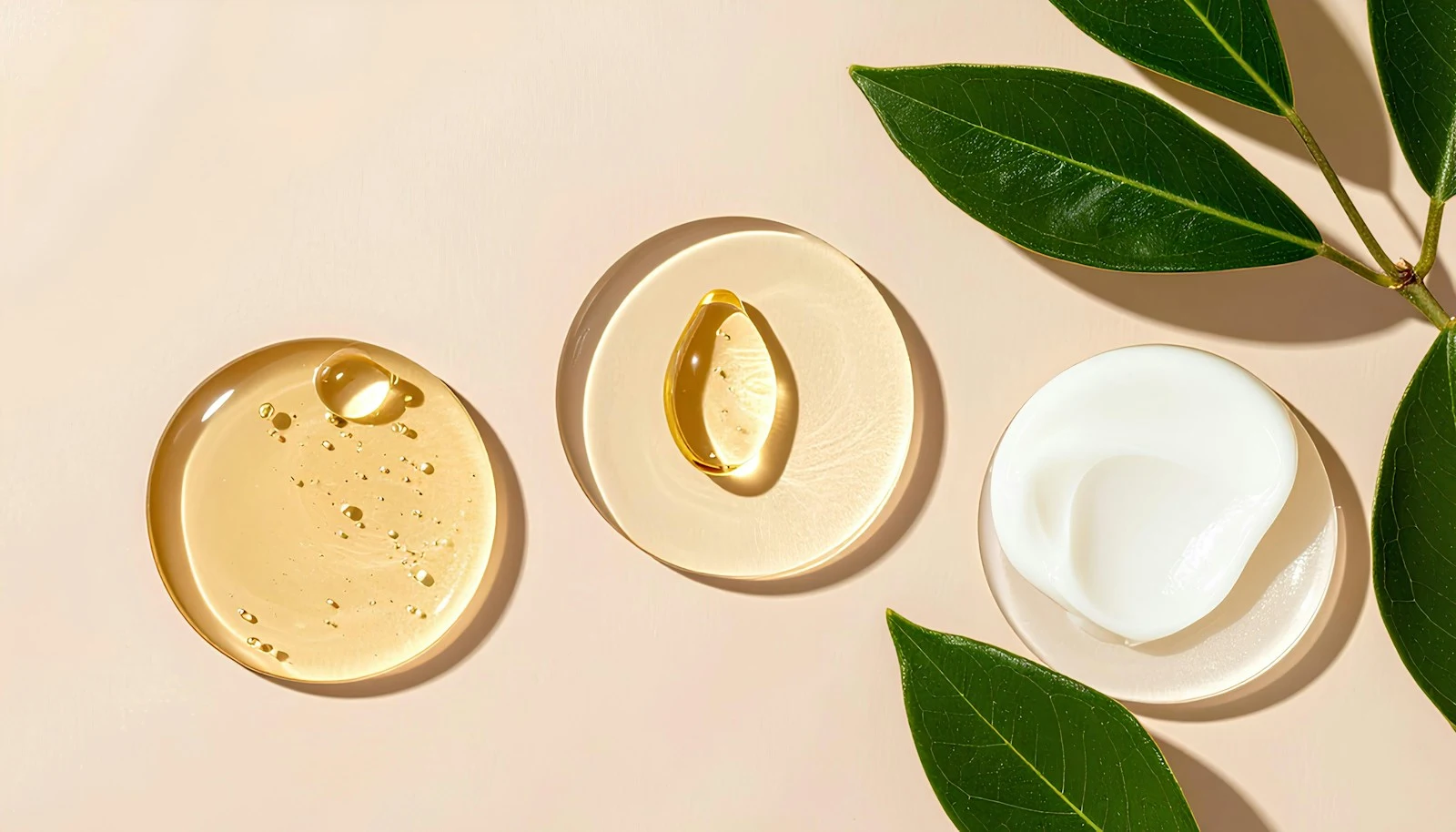
Developing a body scrub, rinse-off cleanser or exfoliating soap? Particle size, shape, loading and the surrounding base all influence the final experience. An ingredient sample is where the comparison begins.
Explore cosmetic exfoliants ↗REAL PRODUCT PHOTOGRAPHY
Three granule reference samples. Explore the material at full size, then compare the specification for the grade you need.
View particle-size options ↗Reference sample photographs, cropped to focus on the granules. Mesh designations identify the source samples; photographs are not a calibrated size comparison.
A quick note on mesh. Mesh counts sieve openings per linear inch. Within the same sieve standard, a higher mesh number generally means a finer opening. Microns (µm) express size directly; an exact conversion requires the sieve standard and aperture specification.
SEE THE RELATIVE DIFFERENCE
A micron is one thousandth of a millimetre. The diagrams below use the same drawing scale so you can compare a finer, intermediate and coarser particle appearance.
0.15–0.25 mm
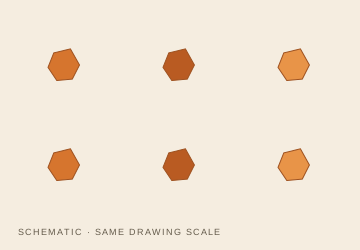
A finer particle appearance within this comparison.
Illustrated example: 200 µm
Prepare this sample enquiry ↗0.25–0.40 mm
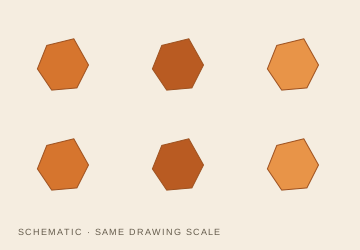
An intermediate particle appearance within this comparison.
Illustrated example: 325 µm
Prepare this sample enquiry ↗0.40–0.60 mm
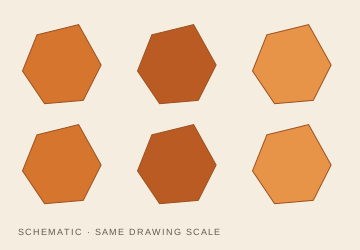
A more pronounced particle appearance within this comparison.
Illustrated example: 500 µm
Prepare this sample enquiry ↗Schematic comparison. The drawings are illustrations, not product photographs or measured particle distributions. Each uses a representative size within the stated range. Confirm the selected sample and specification before ordering.
Explore the particle-size guide ↗ORAL CARE & TOOTHPASTE
Beyond skin-care exfoliants, apricot kernel shell powder has an abrasive ingredient function relevant to toothpaste and oral-care formulation. This application calls for its own material specification and finished-product evaluation.
Discuss an oral-care-qualified grade, particle characteristics, abrasivity and purity requirements separately from body-scrub granules.
Explore oral & dental care ↗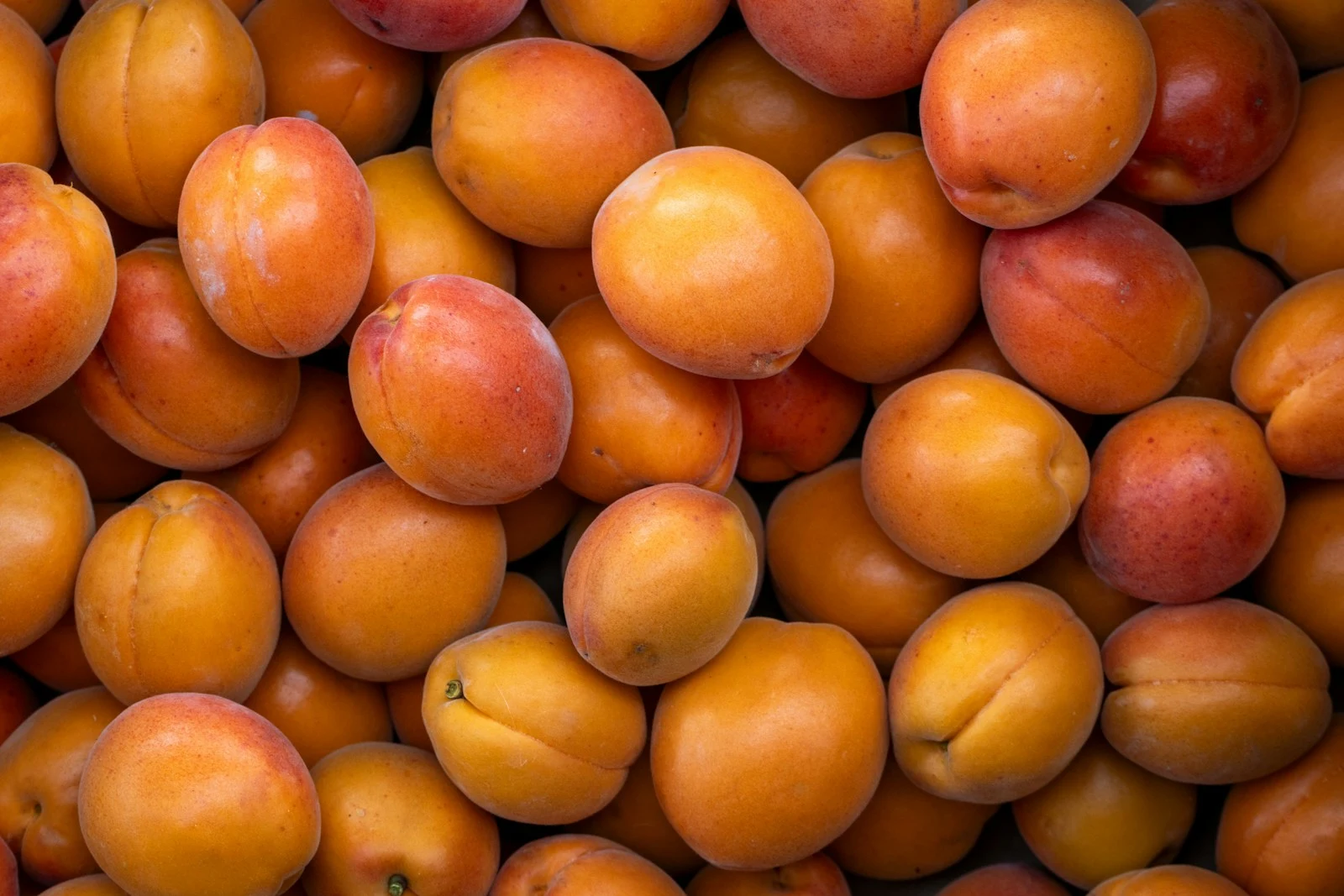
A DIFFERENT WAY TO SEE THE SHELL
The hard shell around the apricot kernel can become a useful granular material. We manufacture apricot kernel shell granules and powder, connecting the source material with the particle characteristics your application requires.
Natural origin is the beginning of the conversation. Particle character, documentation and performance in the intended application complete it.
Discover our material focus ↗THE MATERIAL NOTEBOOK
Read a size range without assuming it tells the whole story.
Read the guide ↗02 / MATERIAL IDENTITYThree different materials. Start with the right one.
Read the guide ↗03 / FORMULATIONA practical brief for comparing an exfoliant in your base.
Read the guide ↗A FEW GOOD QUESTIONS
More detail for ingredient buyers, formulators and product development teams.
They are particles produced from the hard protective shell surrounding the apricot kernel. The shell is a different material from the inner kernel and from apricot kernel oil.
Start with the intended product, particle visibility and target texture. Compare samples in the actual formulation; a size range alone does not establish suitability.
Prepare an enquiry with your intended application, target size and required documents. A specification, current SDS and lot-specific CoA support a more informed assessment.
No. The granule photographs show reference samples labelled in mesh. They are not calibrated microscopy images and are not relabelled as the micron ranges listed on this website.
No. The shell is the hard protective layer surrounding the inner kernel. Use the supplier’s technical and ingredient documentation to confirm the material identity.
A suitably qualified grade may be evaluated for mechanical cleaning and polishing in toothpaste. Confirm the exact material identity, particle characteristics and abrasivity with the finished formulation; the illustrative scrub ranges on this site are not oral-care specifications.
FROM MATERIAL TO POSSIBILITY
Bring your application, target particle size and quantities. Build a clear sample or bulk enquiry.